The China Association for Science and Technology (CAST) serves as the host of the Committee on Engineering and the Environment from 2023 to 2027.
Committee on Engineering and the Environment (CEE)
The Committee on Engineering and the Environment aims to contribute to the achievement of the UN SDGs by harnessing the leading role of ''environmental engineering technology, application and demonstration" in promoting sustainable development.
As an engineering community, we can make a fundamental contribution to achieve the SDGs, and we have a great responsibility for action. The work of the Committee on Engineering and the Environment (CEE) is aimed at enabling WFEO and the global engineering profession to support the achievement of these goals, addressing in particular SDG11 (Sustainable Cities and Communities) and SDG 12 (Responsible Consumption and Production).
GENG Yong, Chair of CEE / environment(at)wfeo.org
In collaboration with WFEO members and partners, WFEO-CEE aims to contribute to the achievement of the United Nations Sustainable Development Goals (SDGs) by:
- Harness the leading role of “environmental engineering technology, application, and demonstration” in promoting sustainable development, with a particular focus on SDG 11 (Sustainable Cities and Communities) and SDG 12 (Responsible Consumption and Production), and support SDG 13 (Climate Action), SDG 14 (Life Below Water), and SDG 15 (Life on Land). Demonstrate WFEO-CEE’s responsibility and contribution to global sustainable development in the field of engineering and the environment.
- Establish a professional platform to facilitate effective communication among WFEO members and to promote technical research findings and engineering practices that contribute to environmental sustainability on a global scale.
- Provide extensive opportunities for global engineers, technical professionals, governments, and civil societies to engage in idea exchanges, collaboration, research, and capacity building. Foster the advancement of theories, technological innovation, and engineering practices in the field of engineering and the environment.
Mission
- Fulfil the responsibilities entrusted to WFEO-CEE by the WFEO, such as supporting significant initiatives (e.g., the World Engineering Day (WED) and the World Engineers’ Convention (WEC)) and providing assistance to other WFEO committees and activities focused on engineering and the environment.
- Represent WFEO in important global conferences in the fields of engineering and the environment, such as, the United Nations Environment Assembly, the Conference of the Parties to the Convention on Biological Diversity, and the Conference of the Parties to the United Nations Framework Convention on Climate Change (UNFCCC).
- Maintain close communication with important international organizations such as the United Nations Environment Programme (UNEP). Actively engage in collaborative efforts and facilitate the advancement of initiatives related to engineering and environmental on the international stage.
- Organize regular or ad hoc exchange events for engineers from member countries to facilitate the sharing of technological innovations and engineering practices. Promote the dissemination and application of environmentally-friendly and cutting-edge engineering technologies in the realms of environment and sustainable development. Specifically, we plan to host a Biennial Summit (in China in 2025, and subsequently every two years) and Roundtable Meetings (intermittently).
- In cooperation with the WFEO Committee on Young Engineers/Future Leaders (YEFL) and other STCs, launch an “Education Initiative” targeting young university students and children worldwide. Attract promising individuals to engage in the field of environment and sustainable development, exemplified by a CEE Summer Training Camp and a Global Youth “Sustainable Development” Creative Challenge (winning projects will be recommended to participate in the WED Hackathon).
- Summarize practical experience gained from environmental engineering projects in urban, community, and industrial settings. Compile a comprehensive collection of best practices showcasing how environmental engineering technologies can foster sustainable cities and communities, as well as sustainable consumption and production.
Focus on:
SDG#11 and SDG#12
1. SDG11-Integrate initiatives to build sustainable cities and communities into national and regional strategies and plans
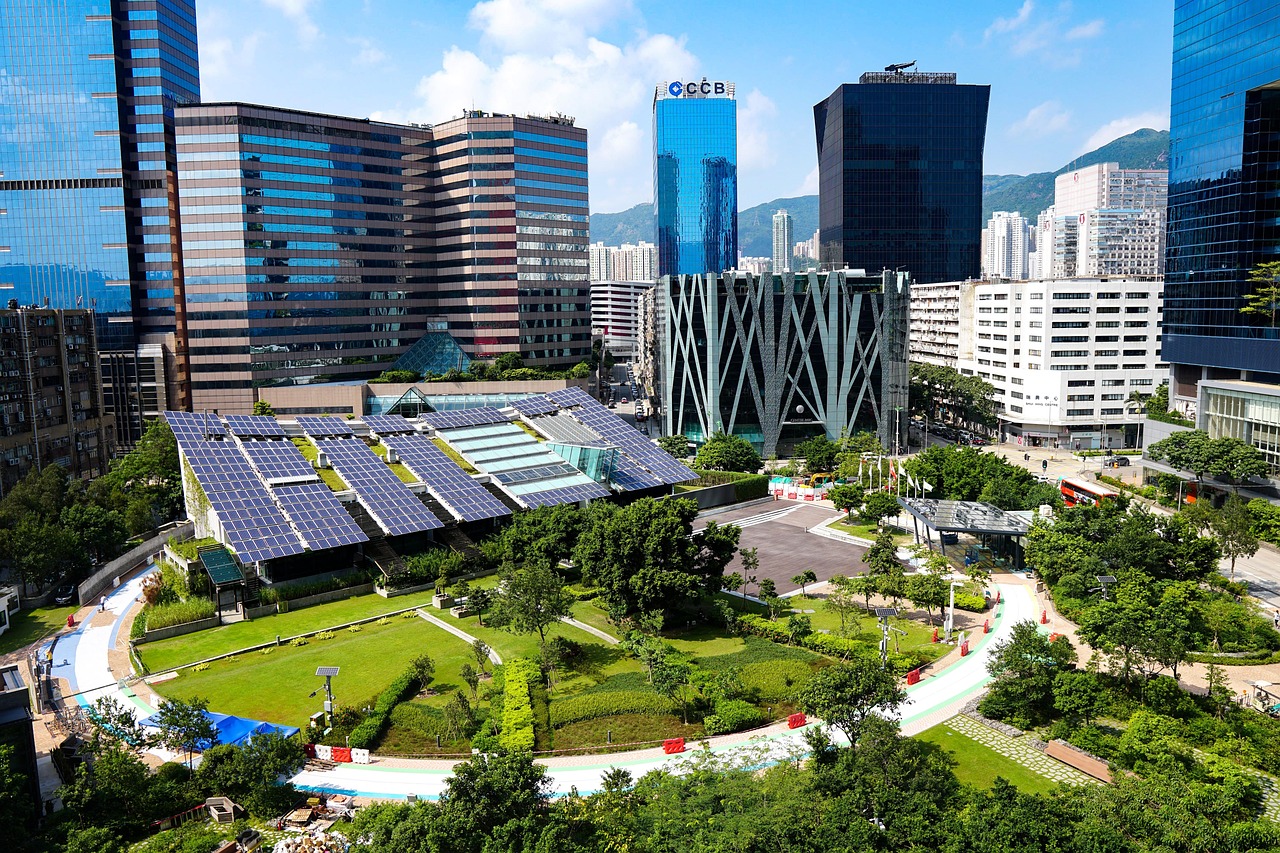
- In the field of architecture, comprehensively promote the engineering application of advanced green building technologies and the construction of demonstration communities and parks such as prefabricated building, green energy-saving building, photovoltaic building integration, low carbon and zero carbon building technology, intelligent building management.
- Actively promote advanced concepts and engineering technologies of smart transportation; promote green, intelligent and shared future transportation; realize green and low-carbon urban transportation throughout its full life cycle.
2. SDG12-Responsible Consumption and Production
- Popularize the technologies and practical cases of waste pollution and reduction in the industrial field, improve the recycling rates of different resources, enhance the environmental and social governance (ESG) ability of all enterprises, and promote sustainable industrial production.
- Encourage waste reduction and separation at source, initiate demonstration projects for regional waste recycling and reuse network, improve resource utilization efficiency, and promote sustainable household consumption.
- Reduce the total plastic waste generated in the whole society, improve the recycling rate and regeneration processes of plastic waste, popularize the plastic degradable technologies, and build a sustainable mode of plastic production and consumption.
Support of:
SDG#13, SDG#14 and SDG#15
1. SDG13-Climate Action
- Promote the application of carbon dioxide (CO2) capture, utilization, and storage (CCUS) projects to develop reproducible, scalable, and sustainable CCUS technology routes;
- Improve the technology system for monitoring carbon sinks in terrestrial and marine ecosystems; advance the application and diffusion of carbon sequestration and sink technologies for terrestrial and marine ecosystems;
- Promote the R&D and engineering demonstration of non-CO2 greenhouse gas mitigation technologies, including methane (CH4), nitrous oxide (N2O), hydrofluorocarbons (HFCs), perfluorocarbons (PFCs), and sulfur hexafluoride (SF6).
2. SDG14-Life Below Water
- Reduce various forms of marine pollution and encourage the application of advanced marine technologies. Promote comprehensive solutions for mitigating ocean acidification.
- Foster engineering practices that contribute to the protection of marine biodiversity, ensuring the sustainable development of fisheries, aquaculture, shipping, and tourism industries.
- Facilitate the development of the blue economy, harnessing the full potential of marine resources while safeguarding and maintaining the health and sustainability of marine ecosystems. Modernize marine governance and promote the sustainable utilization of marine resources.
- Protect coastal and marine areas, develop and support blue carbon sinks, enhance the contribution and capacity of oceans in combating and adapting to climate change, and safeguard the health of marine ecosystems.
3. SDG15-Life on Land
- Facilitate global efforts in preventing and controlling desertification and land degradation by enhancing the efficacy of ecosystem restoration and reconstruction. This can be achieved through initiatives like land degradation restoration, the promotion of grassland ecology, the construction of efficient animal husbandry systems, and the demonstration of technologies for optimizing the utilization of water resources in arid regions.
- Facilitate the implementation of engineering practices, including strategies such as reducing pollution from lake sources, implementing process resistance control, and implementing effective end-of-pipe treatment measures. These initiatives aim to minimize non-point source pollution from agricultural activities, effectively manage eutrophication, and establish comprehensive pollution control systems for freshwater lakes.

Themes
Sustainable cities and communities
“Green buildings” and “smart transportation”
“Green buildings” and “smart transportation” are pivotal components of sustainable urban communities and play crucial roles in realizing city-based “climate action.” Globally, various established programs and regulations serve as models for systematic development, such as the United States’ Pioneer in Energy Conservation and Environmental Design (LEED), the British Institute of Building Research’s Environmental Assessment Method (BREEAM), Japan’s Integrated Environmental Performance Evaluation System of Buildings (CASBEE), Singapore’s Green Building Mark (Green Mark), and Abu Dhabi’s Green Building Regulations (Estidama).
Driving Climate Action in Sustainable Urban Communities
The overarching goal is to drive “climate action” by integrating renewable energy, carbon emission reduction, carbon offset, green electricity, energy conservation, and carbon reduction management systems. The focus is on creating a “green living circle” through the comprehensive promotion of sustainable urban communities’ construction processes, employing engineering means to tangibly contribute to the enhancement of climate and the environment.
Taking “climate action” as the main goal and combining with the goals of SDG11, CEE plan to carry out relevant work in three aspects: low-carbon green building technologies, intelligent low-carbon transportation system and smart carbon operation and maintenance management, thus effectively reducing greenhouse gas emissions to deal with the climate crisis by building sustainable urban communities through engineering and technological means.
Sustainable consumption and production
In the pursuit of enhancing life quality, CEE is committed to diminishing the generation of plastic waste resulting from human activities. To promote responsible consumption and prevent excessive use, it is essential to minimize waste generation at its origin and enhance the efficiency of waste recycling and reuse, along with the final disposal, by implementing the concept of “Zero-waste city construction.”
Build an urban symbiosis network to encourage waste recycling and reduce the corresponding GHGs emissions
Reducing industrial waste generation is essential to mitigate environmental and public health risks associated with diverse industrial wastes. Effective governance is needed to address the varied nature of these industrial wastes. As a major contributor to the global economy, managing waste and controlling chemicals in industrial production plays a pivotal role in minimizing risks to human health and ecosystems. Achieving multi-scale and high-precision recycling of industrial solid waste serves as the foundation for enhancing urban resource efficiency, minimizing risks in recycling processes, and reducing greenhouse gas emissions from artificial sources.
Based on the characteristics of mega-city waste generation and comprehensive treatment mode, construct a low carbon and comprehensive waste utilization zone and implement a carbon inclusion system
Waste stands as a poignant reflection of human production and consumption behavior, evolving globally from decentralized to centralized processing and from harmless treatment to resource utilization in the treatment of municipal solid waste. Recognizing waste as inseparable from humanity, understanding its generation characteristics becomes pivotal in promoting sustainable consumption at its source. The construction of vein parks emerges as a vital strategy, emphasizing high-efficiency and low-carbon treatment of waste after centralized disposal. Vein parks integrate and optimize various solid waste treatment processes, marking a development trend towards intensive, safe, and low-carbon disposal of waste from diverse sources, including domestic waste and municipal sludge.
Create a green life and production style and recycling systems in terms of plastics and build a sustainable development practice area to cope with climate change
Plastic, a ubiquitous material globally, is a prominent substrate widely employed in production and daily life, particularly as packaging. Approximately 40% of plastics are discarded at once, with less than 10% of plastic packaging being collected. Plastic waste, characterized by its dual attributes of “resource” and “pollution,” contributes to resource wastage and cross-border transfer due to regional imbalances. Urgent action is needed to enhance the efficiency of plastic waste resource utilization, emphasizing the crucial practical and social significance of promoting recycling and reuse.
Subcommittees
The Committee on Engineering and the Environment of the World Federation of Engineering Organizations (WFEO-CEE) is committed to exercising a leading role in environmental engineering technologies, applications, and demonstrations, while actively promoting the global engineering community’s responsibility in advancing sustainable development. The Committee focuses on issues closely aligned with the United Nations Sustainable Development Goals (SDGs), with particular attention to SDG 11: Sustainable Cities and Communities and SDG 12: Responsible Consumption and Production, and strong support for SDG 13: Climate Action, SDG 14: Life Below Water, and SDG 15: Life on Land. WFEO-CEE endeavors to foster the transformation of engineering research outcomes into practical applications that contribute to global environmental sustainability and to advocate for the essential role of engineering in achieving green development, low-carbon transitions, and resource efficiency.
To better coordinate global resources, address common technical challenges and policy demands in green industrial transformation, and enhance the integrative strength of engineering expertise, we propose the establishment of four specialized subcommittees:
Subcommittee on Green Paper-Making and Resource Recycling
Objectives
To promote green, low-carbon, and circular transformation in the paper-making industry, by advancing clean production technologies and closed-loop resource utilization systems, and contributing to SDG 12 and SDG 15.
Key Responsibilities
- Facilitate international collaboration in clean pulping, chlorine-free bleaching, water-saving processes, and biomass utilization.
- Promote engineering research and demonstration projects in fiber recycling, sludge treatment, and energy recovery.
- Contribute to the development of industry-specific green standards and policy frameworks.
- Support capacity-building programs and organize workshops on eco-innovation in the paper and pulp sectors.
Expected Outcomes
- Establishment of a global platform for technical cooperation in green paper-making.
- Publication of technical guidelines and policy recommendations.
- Development of a repository of best practices in resource recycling in paper industries.
Subcommittee on Green Metallurgy
Objectives
To promote sustainable transformation in the metallurgy sector through environmental engineering innovations, aiming to reduce emissions, improve energy efficiency, and support responsible production practices (SDG 12, SDG 13).
Key Responsibilities
- Drive technological innovation in flue gas desulfurization, heavy metal emission control, and solid waste utilization.
- Facilitate international joint research on low-carbon metallurgical processes and green smelting technologies.
- Advocate for the integration of environmental performance indicators into metallurgical industry standards.
- Host symposia and expert panels to promote interdisciplinary dialogue among academia, industry, and regulators.
Expected Outcomes
- International knowledge-sharing network for green metallurgy practices.
- Contribution to international engineering standards and guidelines.
- Enhanced global visibility of innovative Chinese and international practices.
Subcommittee on Green Textile
Objectives
To promote sustainable innovation in the textile industry by advancing eco-friendly materials, green dyeing and finishing technologies, and sustainable supply chain management, in alignment with SDG 12 and SDG 14.
Key Responsibilities
- Support research and application of biodegradable fibers, bio-based polymers, and waterless dyeing technologies.
- Promote LCA-based (Life Cycle Assessment) approaches in textile design and production.
- Collaborate with global brands, regulators, and engineering institutions to shape responsible consumption models.
- Organize international forums and training programs on sustainable textile engineering.
Expected Outcomes
- Technical roadmap for green textile production.
- Pilot projects and demonstration zones for green textile supply chains.
- Engagement of youth and SMEs in sustainable textile innovations.
Subcommittee on Urban Mining and Pollution Control
Objectives
To foster the development of environmentally sound urban resource recovery systems and pollution control engineering, contributing to urban sustainability (SDG 11, SDG 13).
Key Responsibilities
- Promote clean technologies for the recycling of e-waste, plastics, solar panels, and spent batteries.
- Support applied research in the extraction of critical raw materials and the reuse of industrial by-products.
- Facilitate development of smart urban mining systems integrating AI, sensor networks, and digital monitoring.
- Lead engineering efforts to mitigate secondary pollution risks during resource recovery.
Expected Outcomes
- A global knowledge base on environmentally sound urban mining practices.
- Technical training modules and standards for pollution control in waste processing.
- Multi-stakeholder policy dialogues and recommendations to local and national governments.
These subcommittees aim to strengthen research, technical cooperation, and international dialogue in key subfields of environmental engineering, and to enhance WFEO-CEE’s organizational capacity, influence, and engineering contribution toward the implementation of the UN SDGs.
Personnel
Prof. Dr. Yong Geng, Chair of CEE
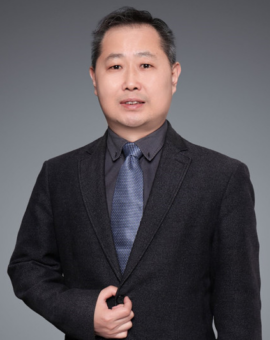
Professor Yong Geng is the current chair of Committee of Engineering and the Environment (CEE) at WFEO. Since 2015, Dr. Yong Geng has served as the Dean and Chair Professor at the School of Environmental Science and Engineering, Shanghai Jiao Tong University. Prior to this, he was a Professor at the Institute of Applied Ecology, Chinese Academy of Sciences (CAS) from 2008 to 2014.
He also served an NIES Fellow at the National Institute for Environmental Studies (NIES), Japan, from 2007 to 2008. Earlier in the career, was an Associate Professor at Dalian University of Technology (DUT) and a Visiting Fellow at the University of Leipzig, Germany.
He Began the academic journey as a Lecturer at DUT and gained industry experience as a Project Manager at Dalian International Trust and Investment Company.
Other key roles include as a National Consultant for UNIDO since 2019, a lead Author for the IPCC Sixth Assessment Report (2018–2022) and the Fifth Assessment Report (2010–2015), focusing on industry-related climate change mitigation, a National Expert for UNIDO’s Resource Efficient Cleaner Production (RECP) project (2012–2016), a Visiting Fellow at the Institute of Advanced Studies (IAS) of United Nations University (UNU) , and an International Expert for UNCRD’s Regional 3R Forum in the Asia-Pacific Region (2009–2014). Additionally, he has been a member of the Journal of Industrial Ecology’s Best Paper Committee (2014–now).
Academically, he has led many research projects funded by Ministry of Science and Technology of China and Natural Science Foundation of China and published over 470 research articles in renown international journals, including Science, Nature, Science Advances, Nature Climate Change, Nature Energy and Nature Communications. Moreover, he has been a highly cited researcher by Clarivate since 2018.
Dr. Yunjiang Yu, Chief Scientist
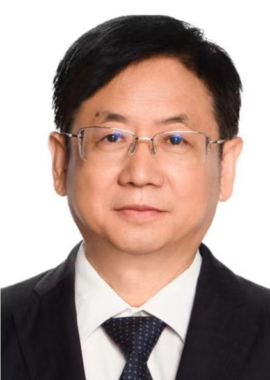
Dr Yunjiang Yu is the Chair Professor at Shanghai Jiao Tong University; Director of the Environmental Risk Professional Committee at Chinese Society for Environmental Sciences and Director of the Key Laboratory of Environmental Pollution and Health Risk Assessment at Ministry of Ecology and Environment of China.
Dr. Yunjiang Yu is specialized in environmental health risk assessment and control. For many years, he has led the strategic planning for environmental health and played a key role in advancing the field in China.
He has systematically established an exposure monitoring system.
To address the challenge of missing toxicity parameters in environmental health risk assessments of new pollutants, he led the development of methodologies for deriving toxicity parameters and established China’s Toxicity Database, which has played a vital role in guiding the country’s efforts to manage new pollutants. These advancements have significantly improved the accuracy and timeliness of pollution-related health risk assessment.
Dr. Yu developed innovative methodologies to manage environmental risks from priority pollutants. He led the research team in developing the standard named Technical Guidance for the assessment of green alternatives, which promotes green substitution of high-risk chemicals in China. He spearheaded the creation of 28 standards encompassing the entire process of investigation, monitoring, assessment, and risk control. These efforts have advanced the standardization of environmental health risk prevention in China.
His work is applied to environmental health policy making of the World Health Organization, Food and Agriculture Organization of the United Nations and European Union, etc. He is performing as the Editor in Chief of the international peer-reviewed journal Hygiene and Environmental Health Advances (Elsevier). His research contributes significantly to Sustainable Development Goal 11: Sustainable Cities and Communities.
SDG Engineers
- Prof. Yue Zhao (SDG 11),
- Prof. Ziyang Lou (SDG 12),
- Prof. Wendong Wei (SDG 13),
- Prof. Meng Li (SDG 14),
- Prof. Bo Zhang (SDG 15)
Secretariat
- Prof. Meng Li- Secretary General,
- Ms. Hongyu Chen- Secretary
Activities
Members
Members list
| Member | WFEO National Member / Institution | Country / Region |
| Abiola Oludaiye | Nigerian Society of Engineers | Nigeria |
| Alfonso Fierro Levrero | Asociación de Ingenieros del Uruguay | Uruguay |
| Alfonso González Fernández | World Council of Civil Engineers (WCCE) | International |
| Amable Esparza | Instituto de la Ingeniería de España | Spain |
| Amanuel Mekonnen Hailemariam | Ethiopian Association of Civil Engineer | Ethiopia |
| Ámin Saide Bin Ali | Ordem dos Engenheiros de Moçambique | Mozambique |
| Chuck Chung Yin (Albert) | Macau Institute of Engineers | Macau, SAR of China |
| Felix Tebangura Ono | Institution of Engineers of Kenya | Kenya |
| Fethi Thabet | Tunisian Engineers Order | Tunisia |
| Fethi Yahyaoui | Tunisian Engineers Order | Tunisia |
| Frank Kwofie Pinto | Ghana Institution of Engineers | Ghana |
| Gidia K. Gategabondo | Institution of Engineers Rwanda | Rwanda |
| Gloria Abou Zeid | Federation of Lebanese Engineers | Lebanon |
| Hanadi Alhai | Kuwait Society of Engineers | Kuwait |
| HE Jing | China Association for Science and Technology | China |
| Iuri Svanidze | European Council of Civil Engineers (ECCE) | International |
| Johnny Reis | Ordem dos Engenheiros Tecnicos Portugal | Portugal |
| Jose Fernandes | Ordem of Engineers of Angola | Angola |
| Kenny WONG | Hong Kong Institution of Engineers | Hong Kong, SAR of China |
| Krissachai Sriboonma | Council of Engineers Thailand | Thailand |
| Kwabena Agyei Agyepong | Ghana Institution of Engineering | Ghana |
| Leonardo Gómez | Colegio Federado de Ingenieros y de Arquitectos de Costa Rica | Costa Rica |
| LI Yuzhu, Pearl | Institution of Engineers, Singapore | Singapore |
| Lizangela da Silva | Ordem of Engineers of Angola | Angola |
| Lylian Coelho Ferreira | Ingénieurs et Scientifiques de France | France |
| Mahamed Raouindi | Union Nationale des Ingénieurs | Morocco |
| Marina Nenkovic Riznic | Serbian Chamber of Engineers | Serbia |
| Marwan AlKheimi | Saudi Council of Engineers | Saudi Arabia |
| Mohamed Ben Hafoune | Union Nationale des Ingénieurs | Morroco |
| Mohamed-Bello Zakari Sidi | Ordre des Ing. G. Civil Niger | Niger |
| Nadeem Ahmad | Pakistan Engineering Council | Pakistan |
| Nathaniel Matalanga | Institution of Engineers of Kenya | Kenya |
| Nina Serdar | Engineers Chamber of Montenegro | Montenegro |
| Paul Jowitt | Commonwealth Engineers Council | International |
| Paulo Saize | Ordem dos Engenheiros de Moçambique | Mozambique |
| Rob Steele | Engineers Australia | Australia |
| Sami AlGhamdi | Saudi Council of Engineers | Saudi Arabia |
| Surekha Deshmukh | IEEE | Associate / International |
| Tobias Rudolph | DMT Society for Teaching and Education | Associate / Germany |
| U Soe Myint | Myanmar Engineering Society | Myanmar |
| Veljko Bojovic | European Council of Civil Engineers (ECCE) | International |
| Wong Kit Iong (Ken) | Macau Institute Of Engineers | Macau, SAR of China |
| WU Jianping | China Association for Science and Technology | China |
| Yong GENG (Chair) | China Association for Science and Technology | China |